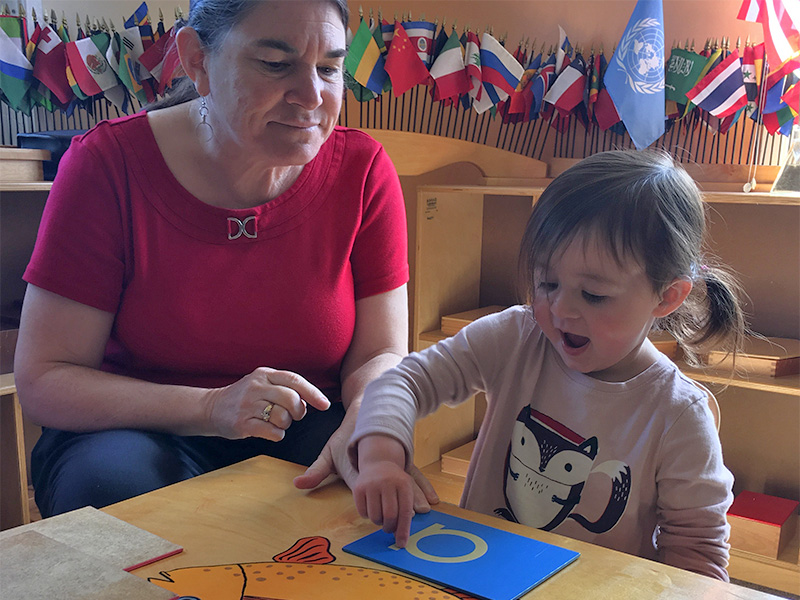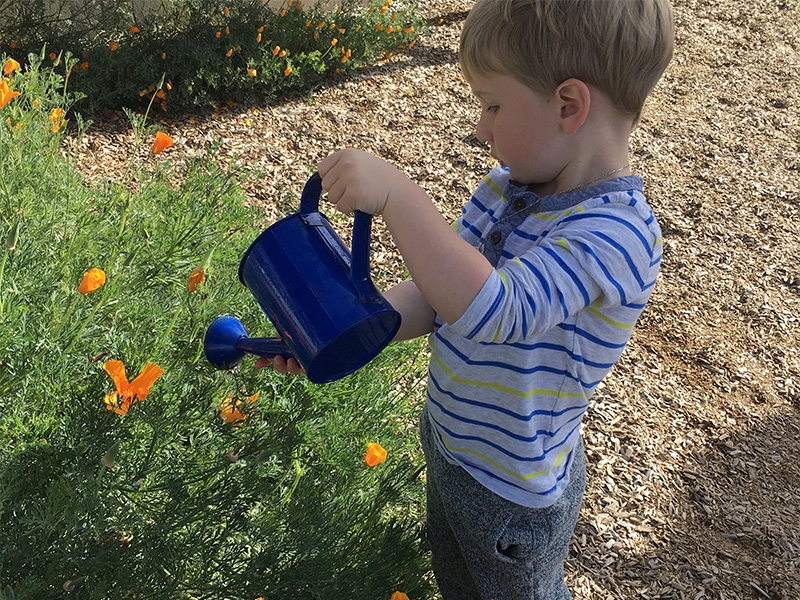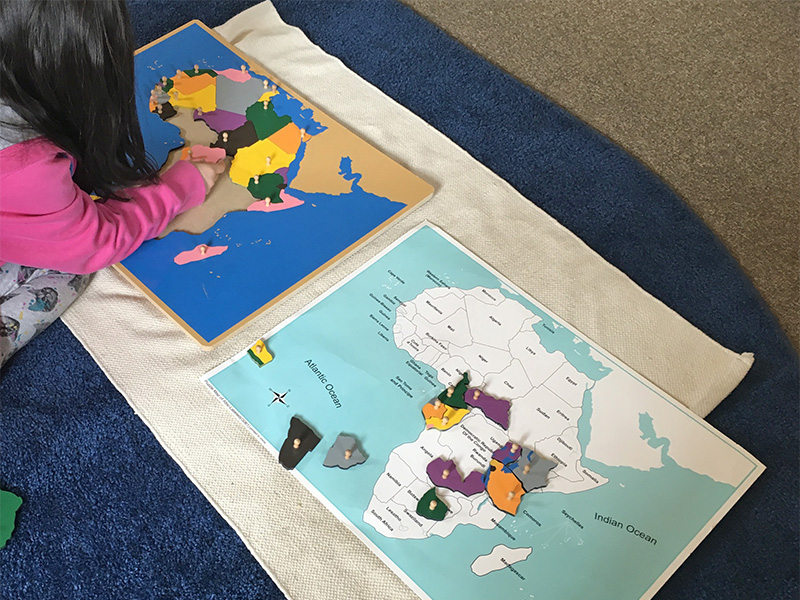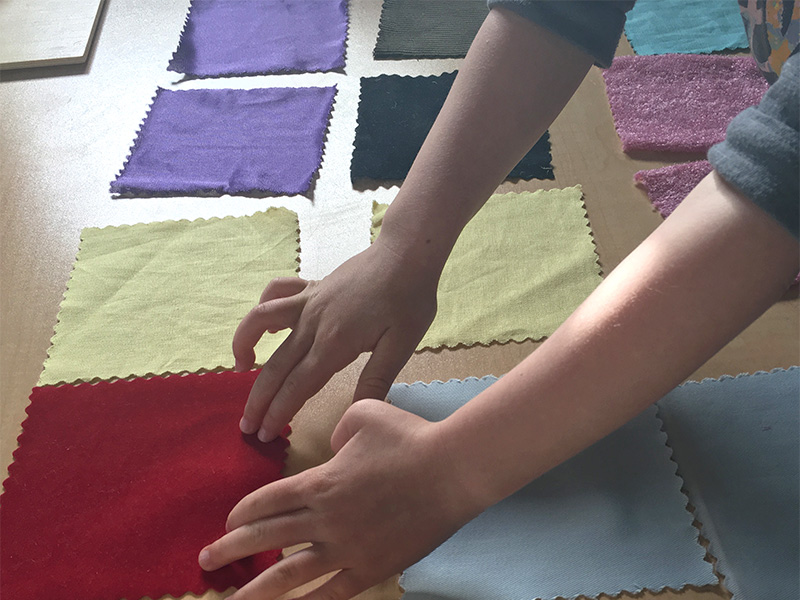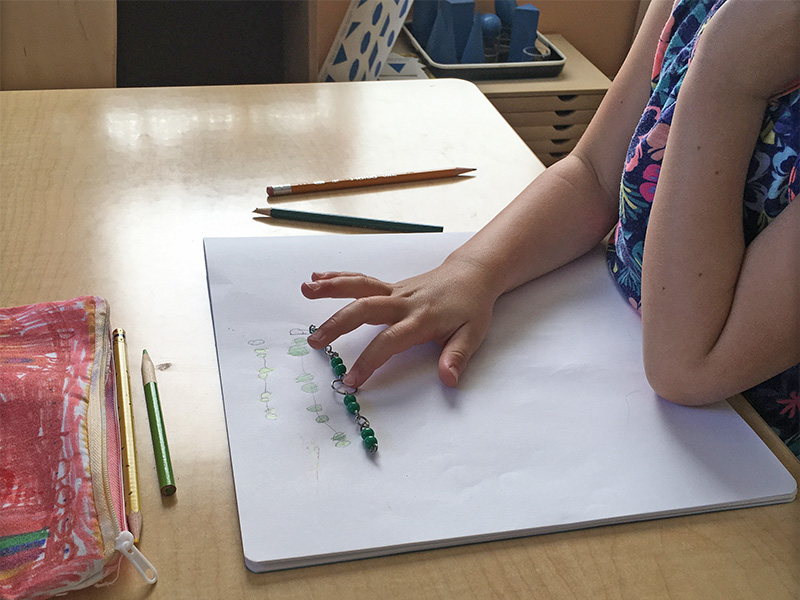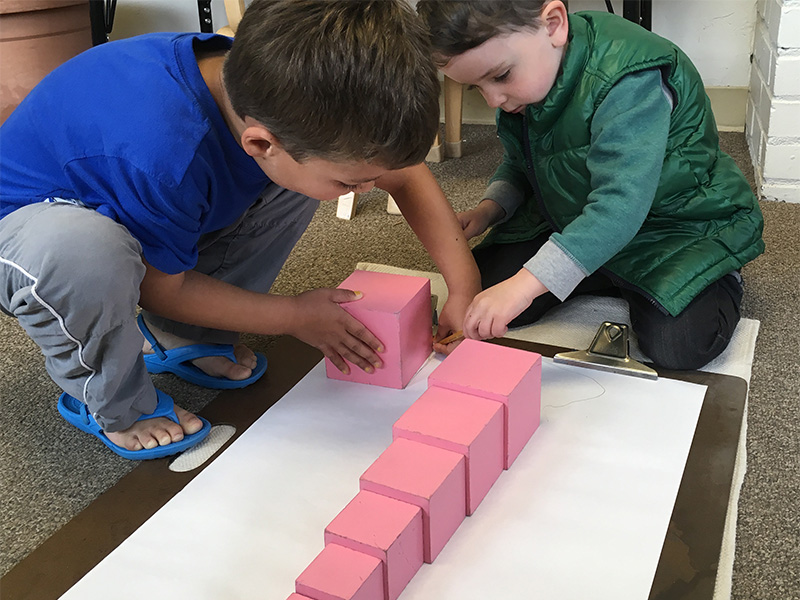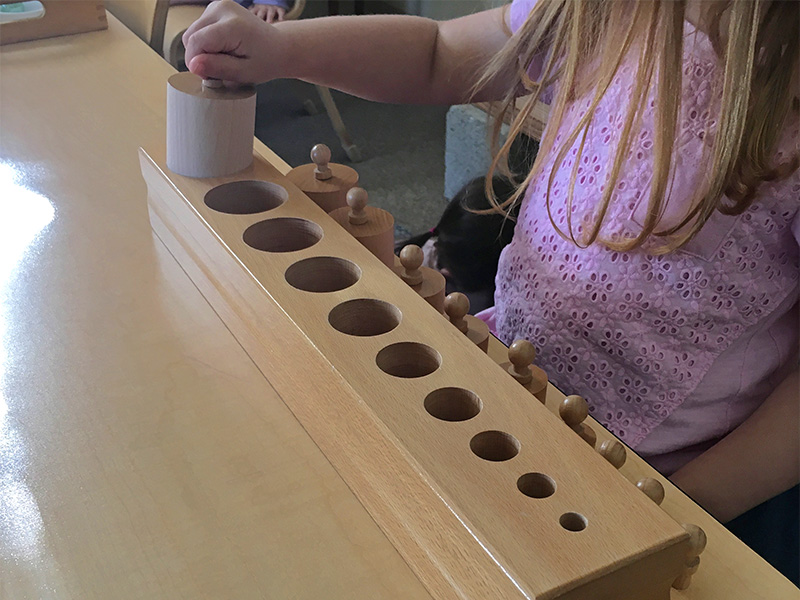

Our mission is to honor individual personalities. Children explore their potential of learning through the Montessori approach of the “whole child”. In this loving and nurturing environment children can grow to respect themselves and the world around them.
Auburn’s House Benefit Concert !
We Are Hosting A Benefit Concert!
Who is performing : From Nashville TN. Ernie Halter!
Where : Auburn’s House Montessori School
Address: 1242 Siddall Court Seaside, Ca
When: Saturday July 20th at 1pm
Cost: $12
Pot Luck Theme: Down Home Cooking
You can contact us at joe@auburnshouse.org
Ernie Halter
Ms Auburn has had over 30 years of teaching experience on the Monterey Peninsula; Teaching Montessori has helped children cope with the changes that can take place in a child’s life after a move from a city, state, or country.
Serving Families on Monterey Peninsula Since 1985
The ratio of 14 students to 2 teachers allows opportunity for individual instruction, encouraging self-discipline, self respect and the joy of learning.
Great reasons to enroll your Child
- Montessori Teacher for over 30 years
- 14 students to 2 Teachers Ratio
- Average 8o % Military Families
- Children work at their own pace
- Kindergarten Program
- Performing Arts Program
- Ages 2.6 to 6 years old
- Monday – Friday
- Half Day Program 8 am to 12pm
- Full Day Program 8 am to 3 pm
- Children’s Garden
- Cooking Activities
- Immunization Waver
- Large Playground
- Easy Access Parking
- Minutes from DLI & NPS Housing
- Parents Testimonials On Website
Montessori Education Versus Traditional Education
The goal of both Montessori and traditional education is the same: to provide learning experiences for the child. The biggest differences lie in the kind of learning experiences a school provides and the methods they use to accomplish this goal. Below is the differences of a Montessori school classroom versus a Traditional school classroom.
Montessori Classroom
Emphasis on: cognitive and social development
Teacher: has unobtrusive role in classroom
Discipline: environment and method encourage self-discipline and encouraging the “whole child”.
Method: mainly individual instruction, mixed age grouping, grouping encourages children to teach and help each other.
Child’s freedom : chooses work, discovers own ideas from self teaching tasks, works as long as they wish on chosen project, sets own learning pace, spots own errors from Montessori material, reinforces own learning by repetition of work and internal feelings of success, encouraging child to learn respect of self, environment and their friends around them.
The classroom: multi-sensory materials for physical exploration, child size furniture so a child can have easy access to tasks without asking, child can work where they chose, move around at will without disrupting work of others.
Traditional classroom
Emphasis on: social development
Teacher: is center of classroom
Discipline: teacher acts as primary enforcer of discipline
Method: group and individual instruction, same age grouping, most teaching done by teacher, curriculum structured for child through age
Child’s freedom: guided to ideas by teacher, generally allotted specific time for work, if work is corrected, errors usually pointed out by teacher, learning is reinforced externally by repetition and rewards
The classroom: set up with task stations, fewer material for sensory development, material brought out when being used, encourages a child to participate in groups. Classrooms students to teacher ratio is rising, which challenges each child to focus on the teachers ideas in order to learn.